Phosphate Rock Grinding for SSP: Choosing the Right Mill Equipment to Boost Fertilizer Efficiency
- 2026-03-25
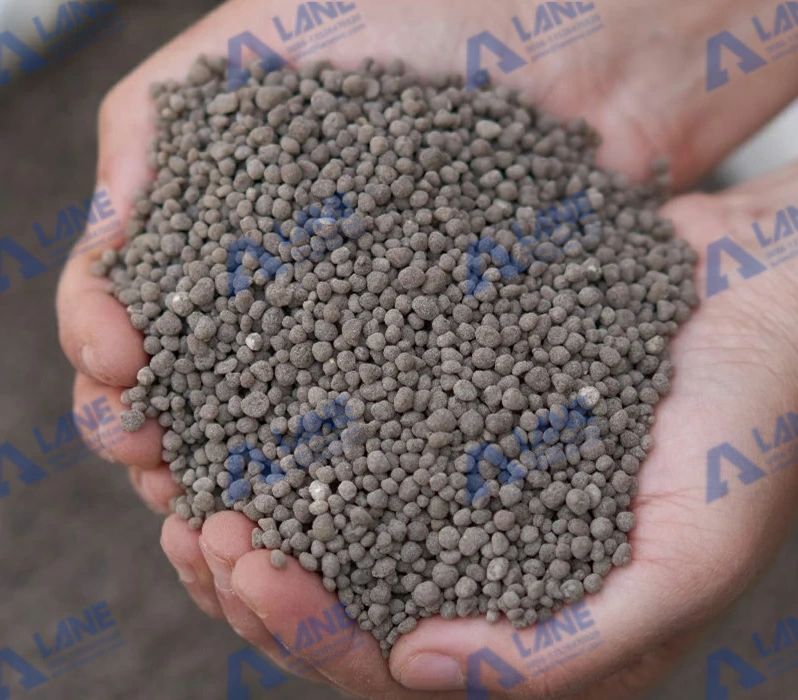
The underlying principle isn’t complicated. Finer particles mean more surface area exposed to sulfuric acid, which drives better conversion. But “finer” isn’t the same as “as fine as you can get.” Over-grinding burns energy, creates handling headaches, and drives up operating costs — often without meaningful improvement in product quality. Producers who understand phosphate rock grinding for SSP know that the real challenge is hitting the right fineness window and holding it there consistently.
Why Particle Size Matters More Than Most People Think
From our experience working alongside producers across different regions, the pattern is hard to miss. When quality complaints come in — low available P₂O₅, inconsistent product texture — the root cause almost always points back to particle size variation entering the acidulator. Not the acid ratio. Not curing conditions. The grind. Proper phosphate rock grinding for SSP is, more often than not, the variable that separates consistent output from chronic quality problems.
Key Equipment for Phosphate Rock Grinding for SSP
This is where the real decisions get made. Equipment selection defines the ceiling on what a grinding circuit can deliver, and each machine in the lineup serves a specific purpose.
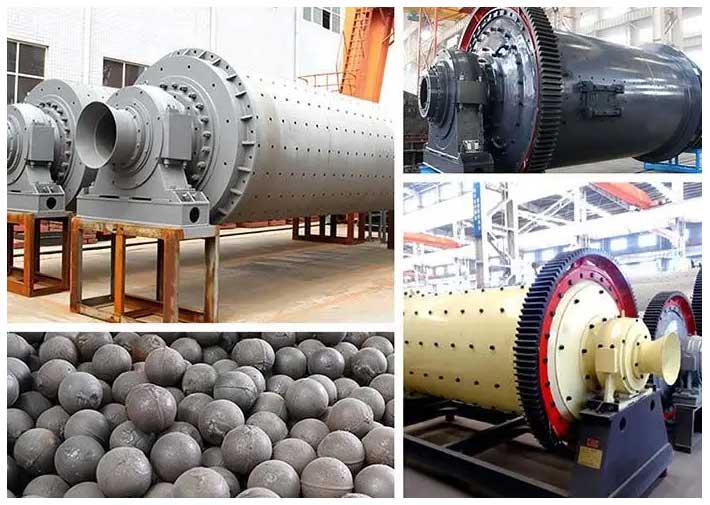
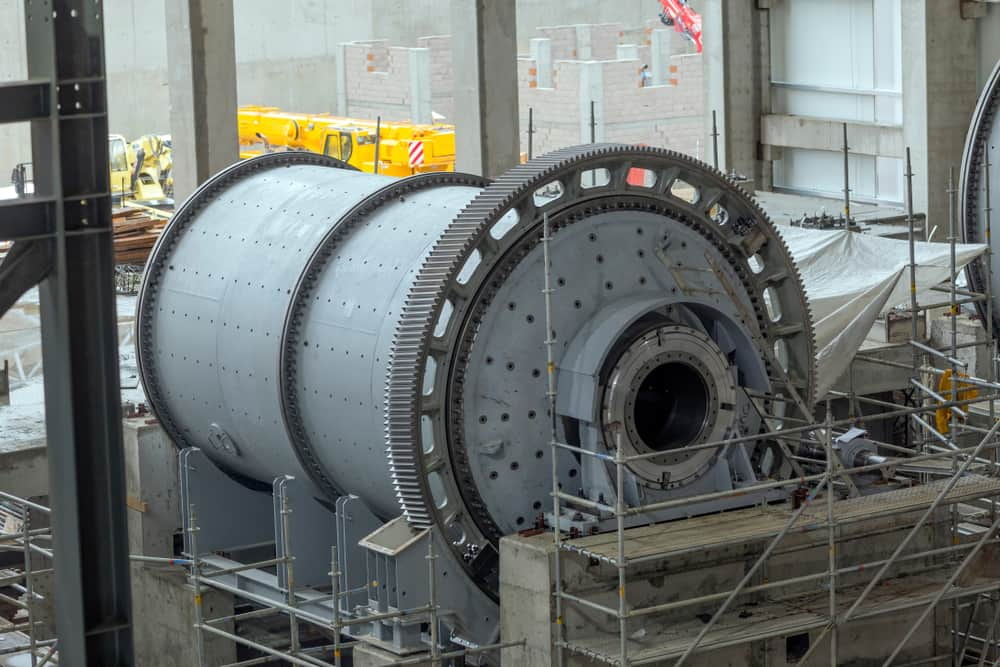
Ball Mill For high-capacity plants, the Ball Mill is the standard choice. It runs continuously, handles hard and abrasive rock without issue, and pairs well with air classifiers in closed-circuit configurations that give operators tighter control over particle size distribution. Energy consumption is higher than newer alternatives, but throughput and mechanical reliability make the tradeoff worthwhile.
Vertical Roller Mill (VRM) The Vertical Roller Mill has been gaining ground steadily, particularly where energy efficiency is a priority. It combines grinding, drying, and classification in one unit — cutting plant footprint and simplifying material flow considerably. For phosphate rock grinding for SSP, where feed moisture is elevated, the VRM often turns out to be the smarter long-term call.
Air Classifier Mill When ultra-fine particle targets are required, the Air Classifier Mill delivers sharp size cutpoints that conventional mills struggle to match. It’s especially relevant when working with lower-grade rock, where maximizing surface area becomes critical to maintaining acceptable P₂O₅ conversion rates.
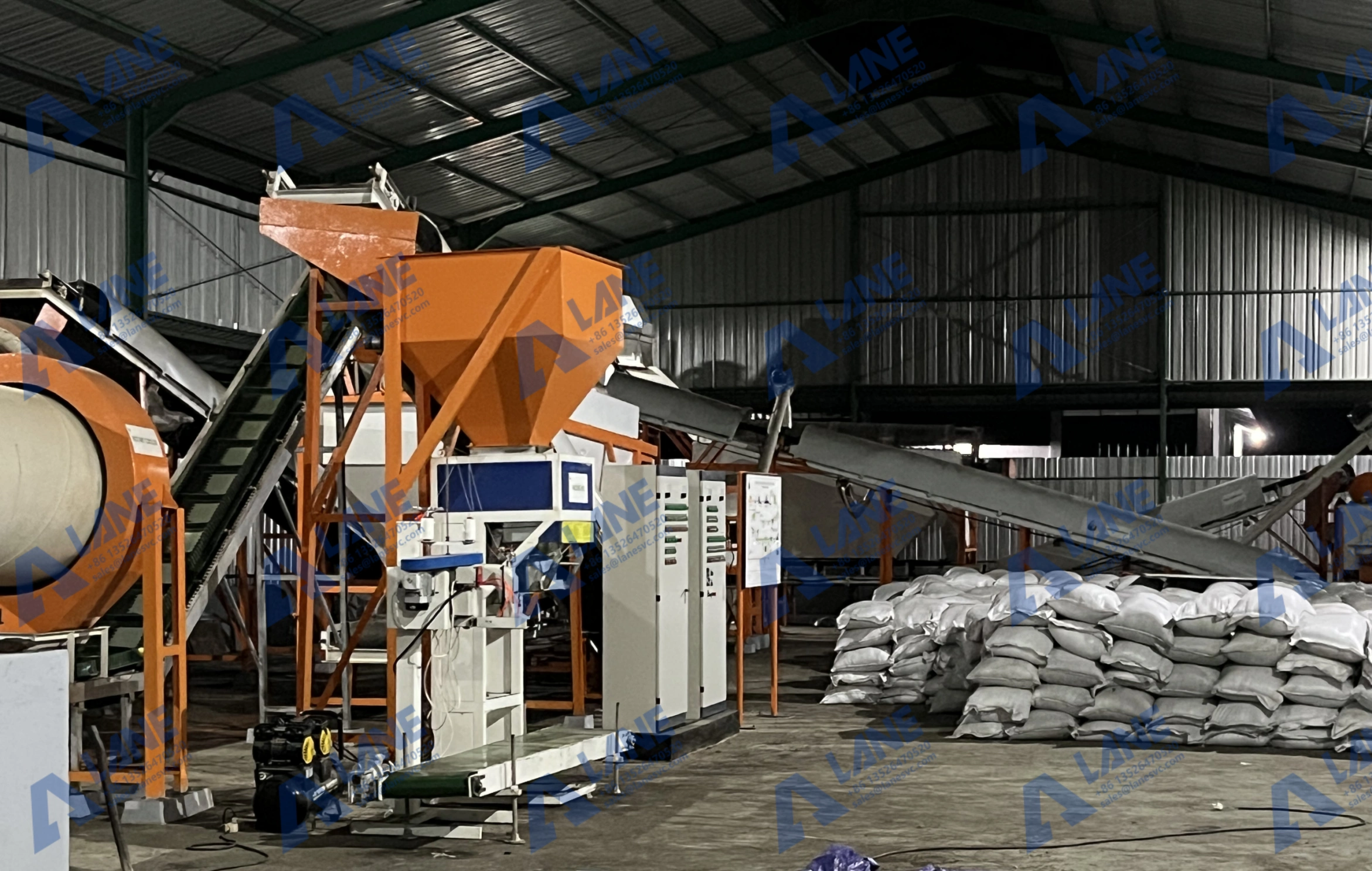
Vibrating Feeder and Belt Conveyor System. These components don’t get much attention, but they should. Feed rate consistency directly affects grind uniformity. Irregular feeding causes mills to cycle between overload and underload — and the result is uneven particle size distribution coming out the other end. It’s one of the more common hidden sources of quality variation, and operators often don’t connect it to the feeding system until the problem has persisted for a while.
At LANE, we’ve worked with SSP producers to engineer complete grinding circuits built around actual operating conditions — specific rock hardness, moisture profiles, target throughput. The configuration that works for one plant rarely maps cleanly onto another.
Factors That Determine the Right Mill Choice
Closed-circuit grinding — a Ball Mill paired with a dynamic air classifier — gives operators the best control over final particle size. Open-circuit setups cost less upfront and are simpler to run, but they tend to produce wider size distributions, which complicates the acidulation step. For producers working to tight product specifications, the added complexity of closed-circuit is usually justified.
FAQ: Phosphate Rock Grinding for SSP
- A: Most producers target 90%–95% passing 75 microns (200 mesh). That fineness level delivers enough surface area for efficient acid reaction without pushing energy consumption to the point of diminishing returns.
- A: For large-scale operations, the Vertical Roller Mill is generally the most efficient option — typically consuming 30%–40% less energy than a comparable Ball Mill setup. For smaller plants, Raymond Mills offer a practical middle ground between capital cost and operating efficiency.
- A: In principle, yes. In practice, feed characteristics — hardness, moisture, incoming particle size — vary considerably between sources, and mill settings usually need adjustment when switching. Separator speed, grinding pressure, and classifier configuration may all need to be revisited. Characterizing a new rock source before committing to full-scale production is worth the time.
- A: Directly, and significantly. Coarser particles reduce the contact surface available for the acid reaction, which leaves unreacted phosphate in the finished product. That translates to lower available P₂O₅ and reduced agronomic performance. Consistent, controlled phosphate rock grinding for SSP is one of the most reliable levers for improving product quality — and one of the most overlooked.
- A: Ball Mill liner inspections every 2,000–3,000 operating hours is a reasonable baseline. Classifier rotor and seal checks should happen more frequently — every 500–800 hours are typical, depending on dust loading. Vibrating Feeder amplitude and bearing condition are worth monitoring on an ongoing basis, where instrumentation allows.
For more details, please feel free to contact us.
Henan Lane Heavy Industry Machinery Technology Co., Ltd.
Email: sales@lanesvc.com
Contact number: +86 13526470520
Whatsapp: +86 13526470520