Why Phosphate Fertilizers for Crops Are Essential for High-Yield and Sustainable Agriculture
- 2025-12-31
Modern agriculture faces a dual challenge: increasing crop yields to meet global food demand while maintaining long-term soil health and environmental sustainability. Among all essential plant nutrients, phosphorus plays a decisive role in crop development, and this is where phosphate fertilizers for crops become indispensable.
From root establishment to energy transfer and grain formation, phosphorus directly influences plant vitality and productivity. Understanding why phosphate fertilizers for crops are essential helps farmers, agribusinesses, and fertilizer producers make informed decisions that support both profitability and sustainable agricultural practices.
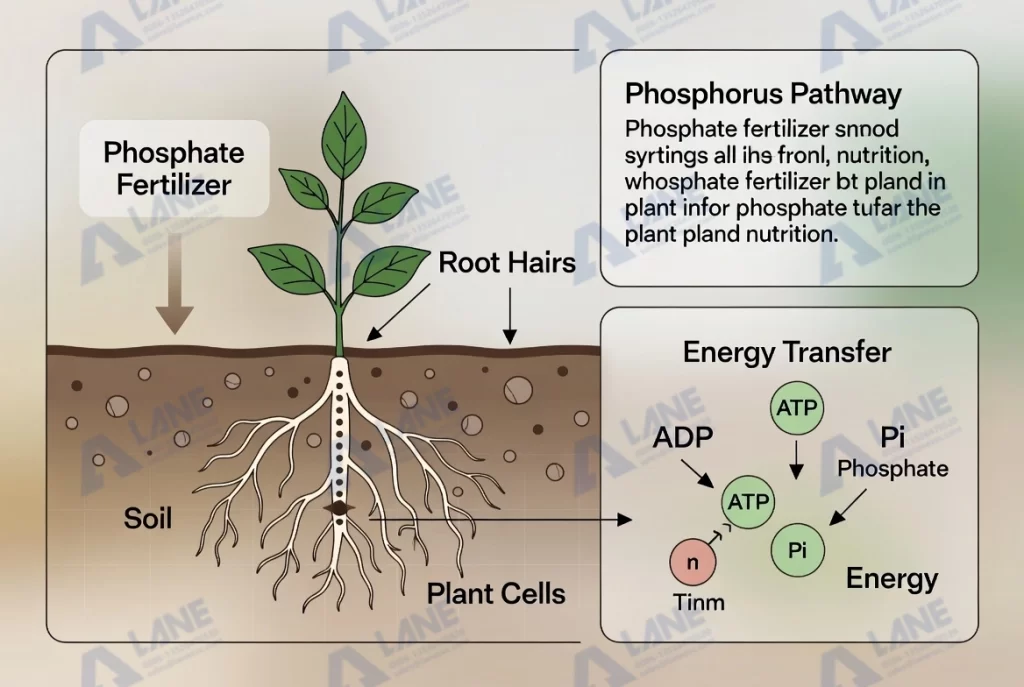
The Role of Phosphorus in Crop Growth
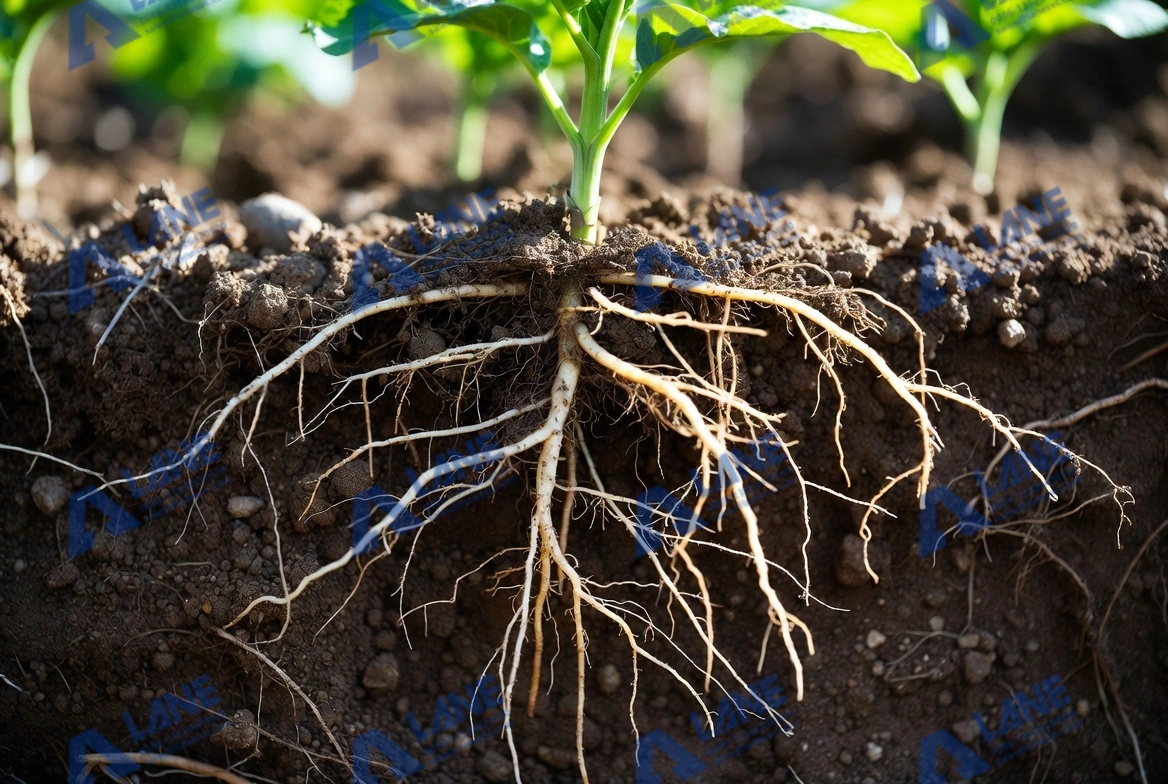
Phosphorus is one of the three primary macronutrients required by plants, alongside nitrogen and potassium. It is a key component of ATP, the energy molecule that drives metabolic processes in crops. Without adequate phosphorus, crops struggle to develop strong root systems, absorb nutrients efficiently, or reach their full yield potential.
This is why phosphate fertilizers for crops are widely applied across cereals, oilseeds, legumes, fruits, and vegetables. Phosphorus availability in soil is often limited due to fixation, especially in acidic or alkaline conditions, making fertilizer application necessary to ensure consistent nutrient uptake.
Why Phosphate Fertilizers Are Critical for High Yields
High-yield agriculture depends on balanced nutrition. While nitrogen promotes rapid vegetative growth, phosphorus ensures that growth translates into productive outcomes such as flowering, fruiting, and seed development.
The use of phosphate fertilizers for crops contributes to:
- Faster and deeper root development
- Improved early-stage crop vigor
- Enhanced flowering and seed formation
- Increased resistance to environmental stress
In phosphorus-deficient soils, even high levels of other nutrients cannot compensate for yield losses. This makes phosphate fertilizers for crops a foundational input in modern farming systems focused on output stability and yield optimization.
Supporting Sustainable Agriculture Through Phosphate Fertilization
Sustainability in agriculture is not about reducing inputs blindly, but about using them efficiently. Properly formulated and applied phosphate fertilizers for crops help reduce nutrient waste and minimize environmental impact.
By supplying phosphorus in plant-available forms, farmers can:
- Improve nutrient use efficiency
- Reduce excessive fertilizer application
- Maintain soil fertility over the long term
- Support consistent crop rotations
Advanced production technologies now allow fertilizer manufacturers to produce phosphate fertilizers with controlled solubility and tailored nutrient ratios, aligning productivity goals with environmental responsibility.
Types of Phosphate Fertilizers for Crops
Different crops and soil conditions require different phosphorus sources. Common types of phosphate fertilizers for crops include:
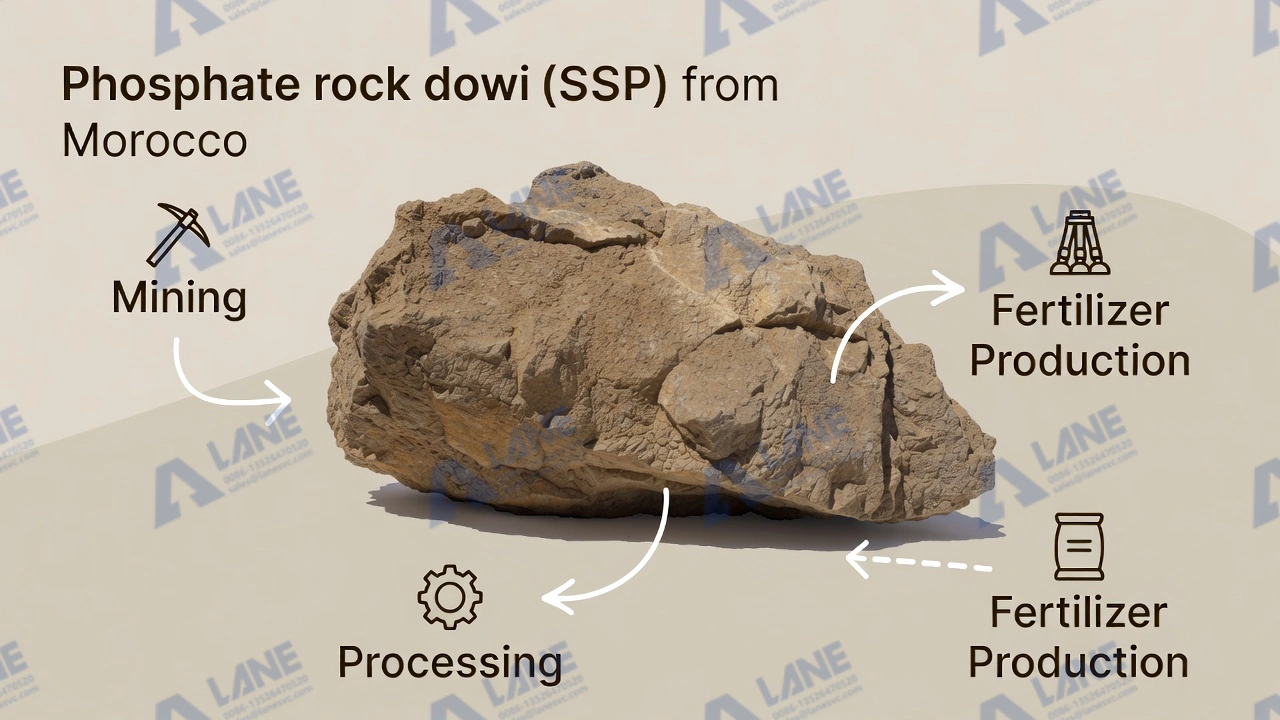
- Single Superphosphate (SSP): Contains phosphorus and sulfur, suitable for sulfur-deficient soils
- Triple Superphosphate (TSP): Higher phosphorus concentration, widely used in intensive farming
- Monoammonium Phosphate (MAP): Provides both phosphorus and nitrogen, ideal for early growth
- Diammonium Phosphate (DAP): Balanced nutrient supply for broad-acre crops
Selecting the right product depends on crop type, soil chemistry, and application method. This diversity further emphasizes the importance of reliable fertilizer production systems.
The Importance of Production Technology in Phosphate Fertilizers
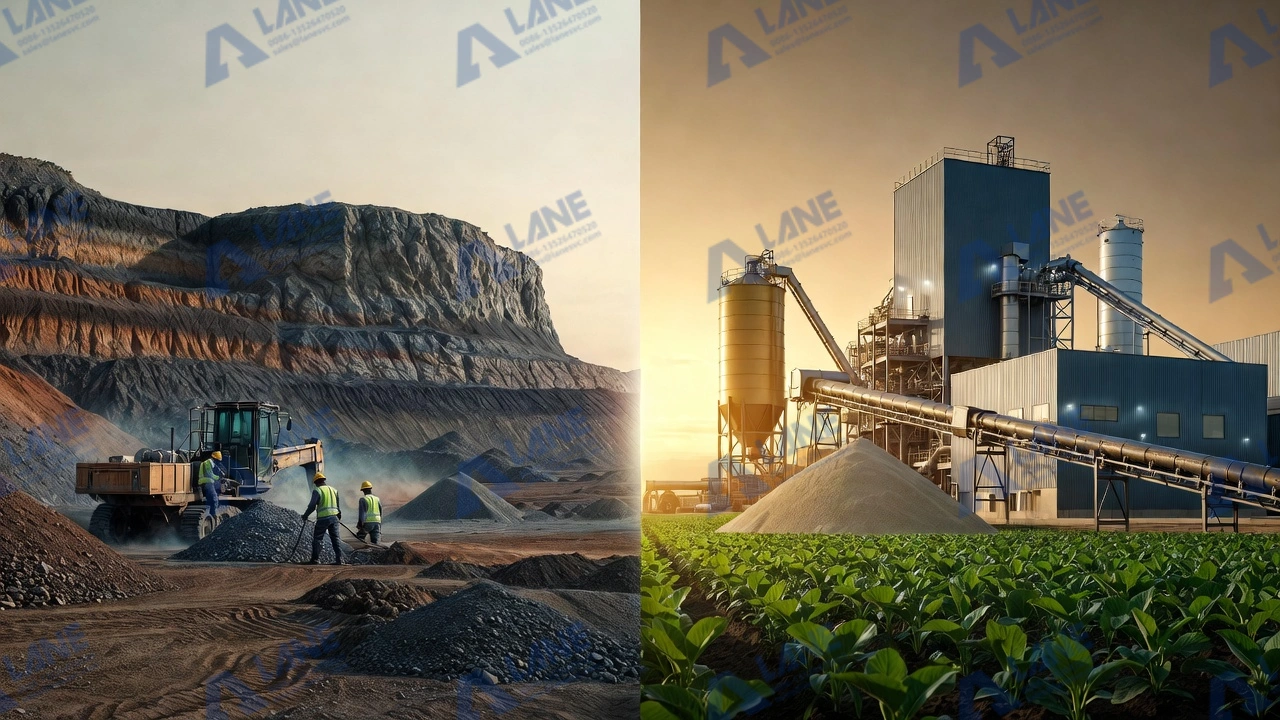
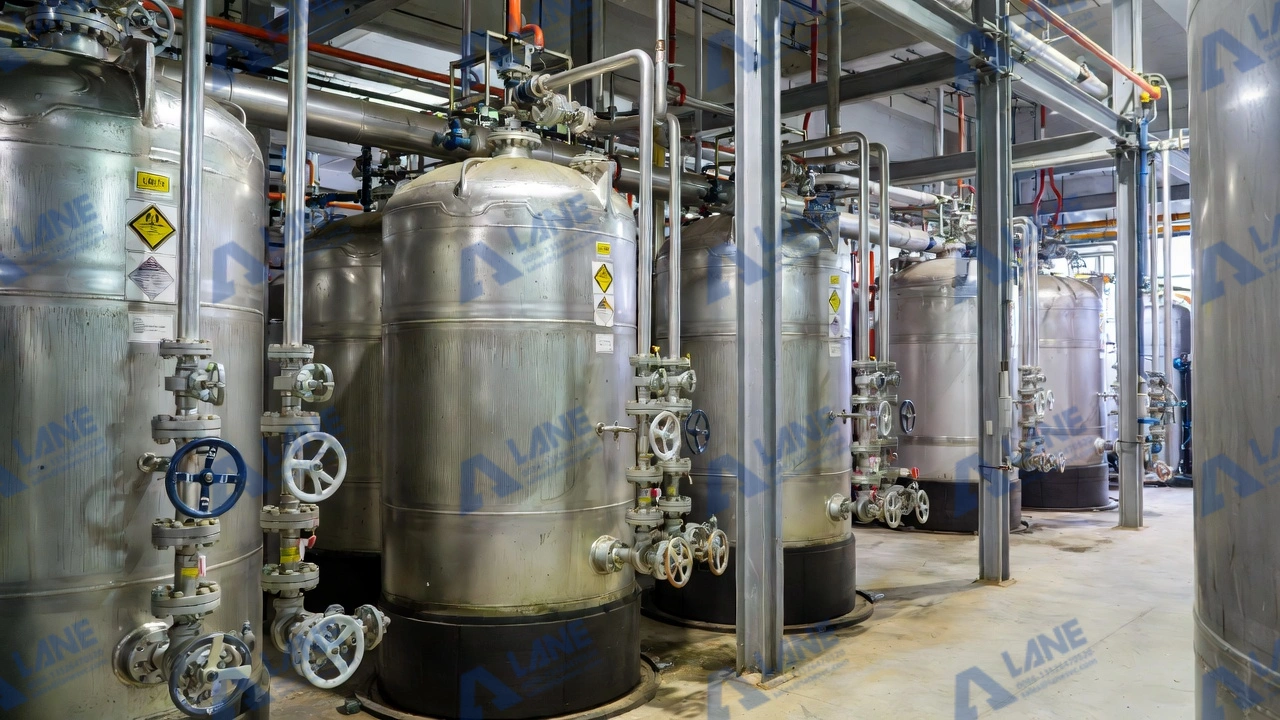
Behind every effective fertilizer product lies a precise and stable production process. The quality of phosphate fertilizers for crops is directly linked to reaction control, granulation uniformity, moisture management, and particle strength.
Modern fertilizer plants focus on:
- Consistent nutrient content
- Uniform granule size for even application
- Reduced dust generation
- Improved storage and transportation stability
These factors not only affect agronomic performance but also influence market competitiveness and customer trust.
Why Phosphate Fertilizers Remain a Global Priority
Global agricultural expansion, soil nutrient depletion, and rising food demand continue to drive the need for efficient phosphate fertilizers for crops. In emerging markets especially, improving phosphorus availability is one of the fastest ways to boost crop yields without expanding cultivated land.
Governments, agricultural cooperatives, and fertilizer producers increasingly invest in localized phosphate fertilizer production to ensure supply stability and cost control. This trend further reinforces the strategic importance of phosphate fertilizers in the global agricultural value chain.
FAQ: Phosphate Fertilizers for Crops
1. Why are phosphate fertilizers for crops necessary if soil already contains phosphorus?
Soil phosphorus is often present in unavailable forms. Phosphate fertilizers for crops supply plant-available phosphorus that roots can absorb efficiently, especially during critical growth stages.
2. Can excessive use of phosphate fertilizers harm crops or soil?
Yes. Overapplication may lead to nutrient imbalance or runoff. Proper formulation, dosage, and application timing are essential for safe and sustainable use of phosphate fertilizers for crops.
3. Which crops benefit most from phosphate fertilizers?
Root crops, cereals, oilseeds, and legumes respond strongly to phosphorus. However, nearly all crops require adequate phosphorus for optimal performance.
4. How does fertilizer granulation affect phosphorus efficiency?
Uniform granules ensure even field distribution, improving nutrient uptake and reducing waste. High-quality granulation enhances the effectiveness of phosphate fertilizers for crops.
5. Are phosphate fertilizers compatible with sustainable farming practices?
Yes. When produced and applied correctly, phosphate fertilizers for crops support long-term soil fertility and efficient resource use.
Why Choose LANE for Phosphate Fertilizer Production Solutions
When it comes to producing reliable and high-quality phosphate fertilizers for crops, equipment quality and process expertise are critical. LANE Heavy Industry Machinery Technology Co., Ltd. is a globally recognized manufacturer specializing in fertilizer production equipment and complete production line solutions.
LANE offers:
- Advanced reaction and granulation systems for phosphate fertilizers
- Custom-designed production lines tailored to different raw materials and capacities
- Stable, automated processes that ensure consistent fertilizer quality
- Comprehensive services including installation, commissioning, and technical support
With decades of experience and projects delivered in over 200 countries and regions, LANE helps fertilizer producers build efficient, scalable, and future-ready production facilities. By choosing LANE, manufacturers can confidently meet market demand for high-performance phosphate fertilizers for crops while maintaining operational efficiency and product reliability.

Conclusion
From boosting crop yields to supporting sustainable agriculture, phosphate fertilizers for crops remain a cornerstone of modern farming. Their effectiveness depends not only on agronomic knowledge but also on production quality and technological precision.
As global agriculture continues to evolve, investing in advanced phosphate fertilizer solutions and reliable production technology will be essential for long-term success. Whether you are a farmer, agribusiness investor, or fertilizer manufacturer, understanding and leveraging the value of phosphate fertilizers for crops is a decisive step toward productive and sustainable agriculture.
For more details, please feel free to contact us.
Henan Lane Heavy Industry Machinery Technology Co., Ltd.
Email: sales@lanesvc.com
Contact number: +86 13526470520
Whatsapp: +86 13526470520