How to Start an SSP Fertilizer Plant: Complete Guide to Process, Equipment, Cost & Profit
- 2025-12-24
Single Super Phosphate (SSP) fertilizer remains one of the most widely used phosphorus fertilizers in global agriculture. With rising demand for cost-effective soil nutrients and increasing awareness of balanced fertilization, many investors and agribusiness owners are actively exploring how to start an SSP fertilizer plant in a structured and profitable way.
This guide is written for first-time investors, fertilizer manufacturers, and industrial decision-makers who want a clear, practical, and realistic understanding of how to start an SSP fertilizer plant, from raw materials and production process to equipment selection, investment cost, and profit potential.
Understanding SSP Fertilizer and Market Demand
Before learning how to start an SSP fertilizer plant, it is essential to understand what SSP fertilizer is and why it remains commercially attractive.
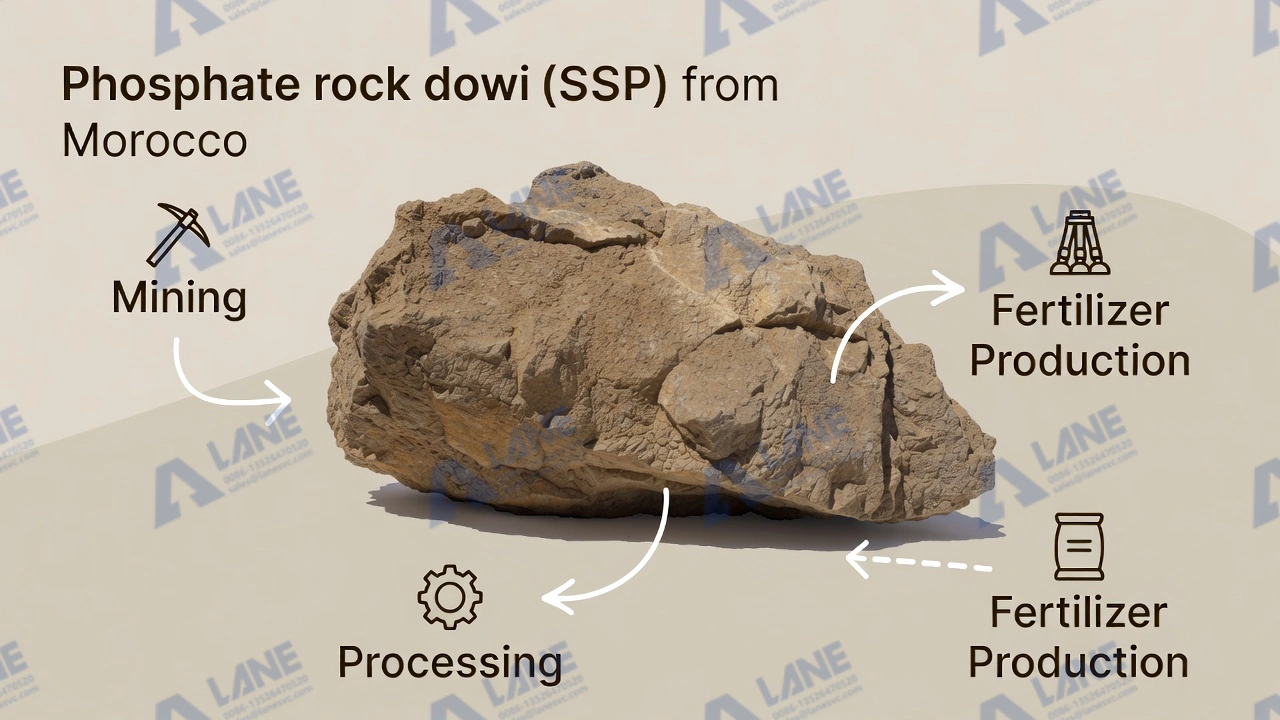
SSP fertilizer is produced by reacting phosphate rock with sulfuric acid, resulting in a fertilizer that typically contains:
- 16–18% available phosphorus (P₂O₅)
- Calcium and sulfur as secondary nutrients
SSP is especially popular in:
- Developing agricultural markets
- Acidic and phosphorus-deficient soils
- Regions with cost-sensitive farmers
Because of its relatively simple manufacturing process and stable demand, many small-to-medium investors consider SSP an ideal entry point when evaluating how to start an SSP fertilizer plant.
Raw Materials Required for an SSP Fertilizer Plant
A clear raw material strategy is the foundation of how to start an SSP fertilizer plant successfully.
The main raw materials include:
- Phosphate rock (rock phosphate)
- Sulfuric acid (usually 98%)
- Water (for dilution and reaction control)
The quality of phosphate rock directly affects final product grade and reaction efficiency. When planning how to start an SSP fertilizer plant, sourcing stable and locally available raw materials can significantly reduce operating costs and production risks.
SSP Fertilizer Manufacturing Process Explained
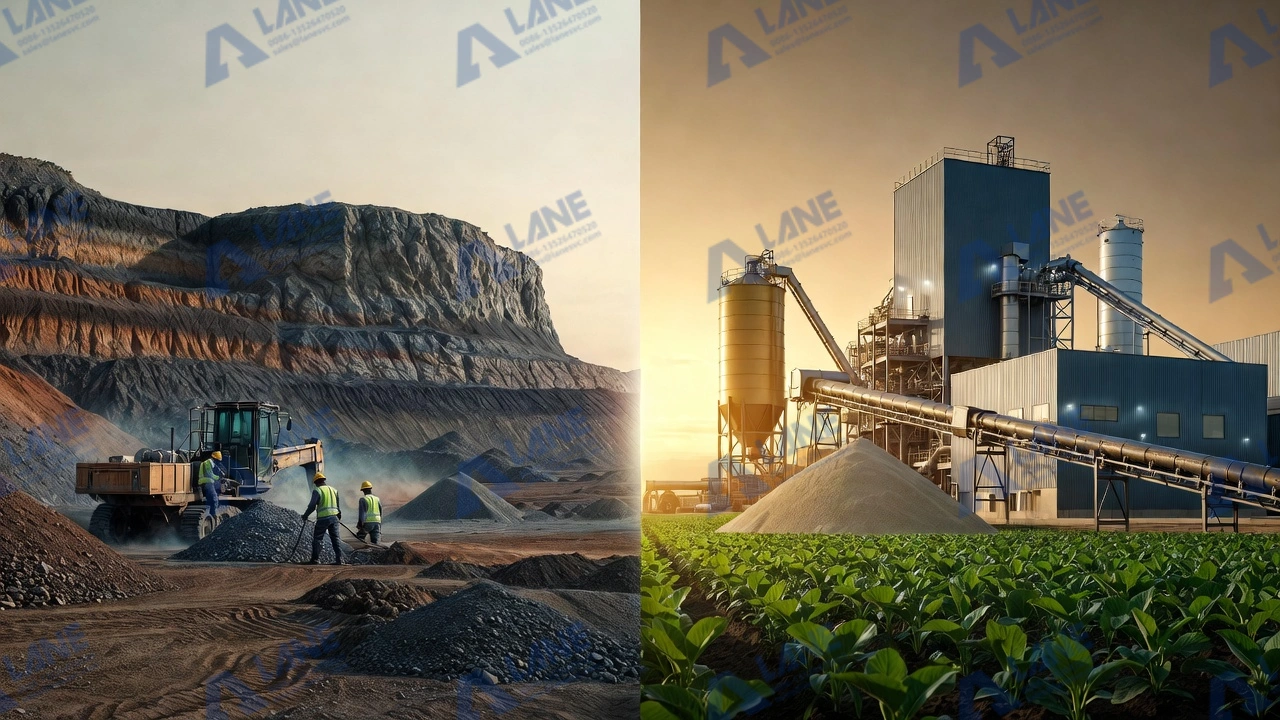
Understanding the process flow is the most critical technical step in how to start an SSP fertilizer plant.
Step 1: Acidulation Reaction
Phosphate rock is finely ground and fed into a reactor, where it reacts with sulfuric acid. This exothermic reaction converts insoluble phosphate into plant-available forms.
Step 2: Curing and Solidification
The reacted material is discharged onto a curing floor or curing system. Proper curing ensures chemical stability and improves nutrient availability.
Step 3: Crushing and Screening
After curing, oversized lumps are crushed, and the material is screened to obtain uniform fertilizer granules or powder.
Step 4: Granulation (Optional)
For granular SSP, a granulation system is added to improve product appearance, handling, and market value.
Step 5: Packaging and Storage
Finished SSP fertilizer is packed in bags or stored in bulk, ready for distribution.
Each of these steps must be carefully designed when planning how to start an SSP fertilizer plant, as process stability directly affects product quality and profit.
Key Equipment Needed for an SSP Fertilizer Plant
Equipment selection plays a decisive role in how to start an SSP fertilizer plant efficiently and safely.
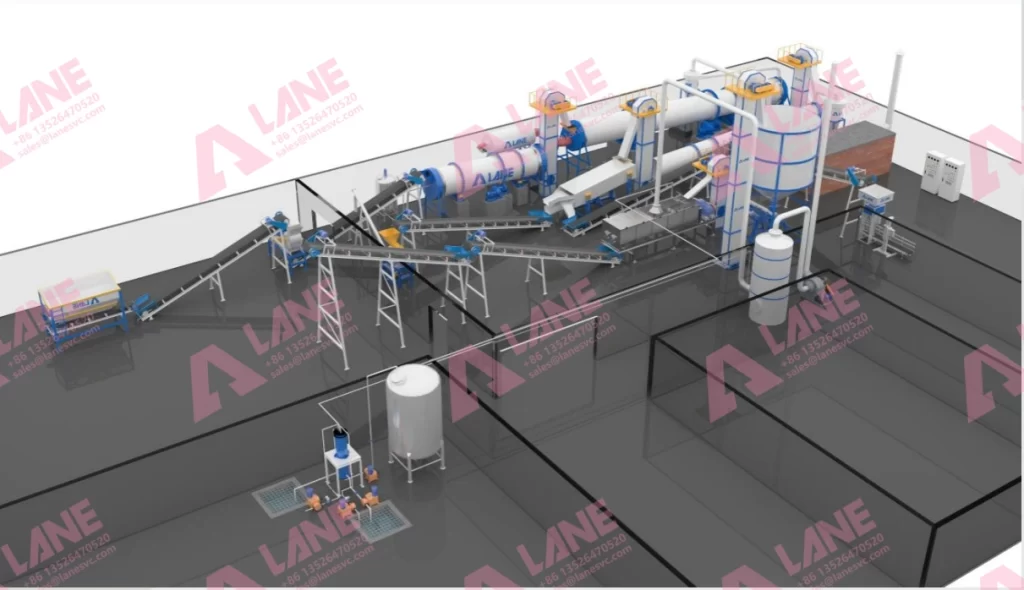
Typical SSP production equipment includes:
- Phosphate rock crusher and grinder
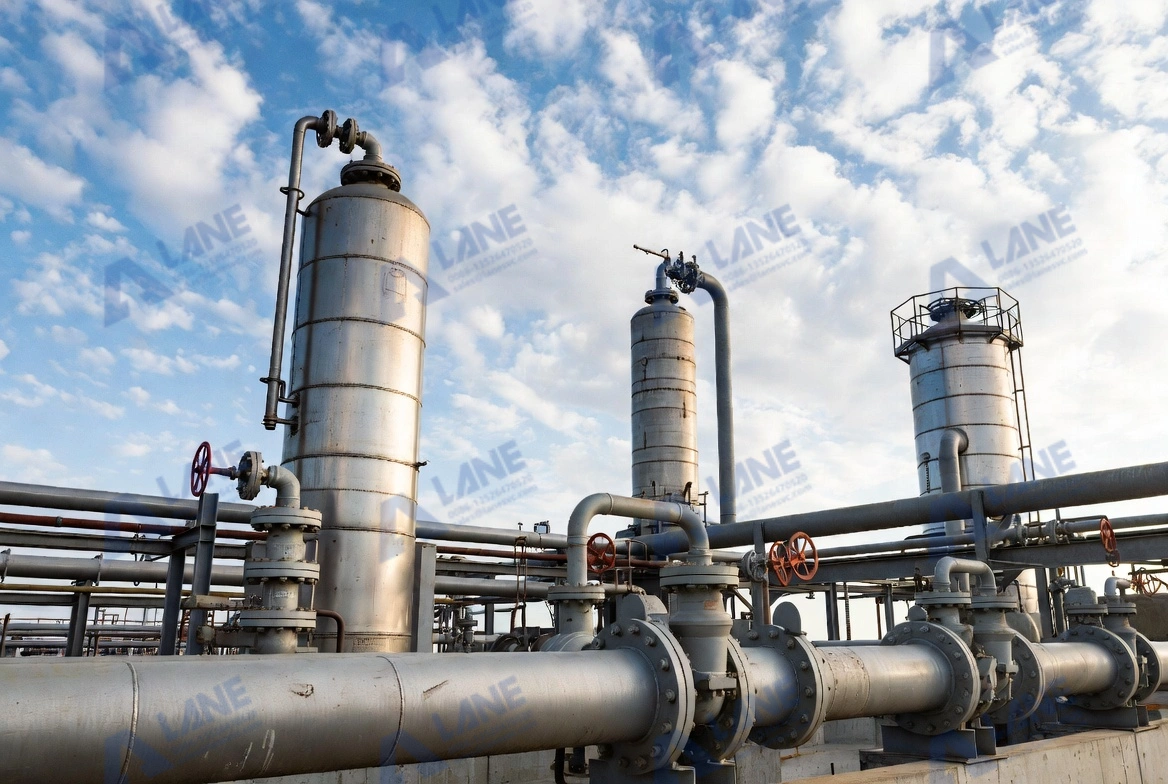
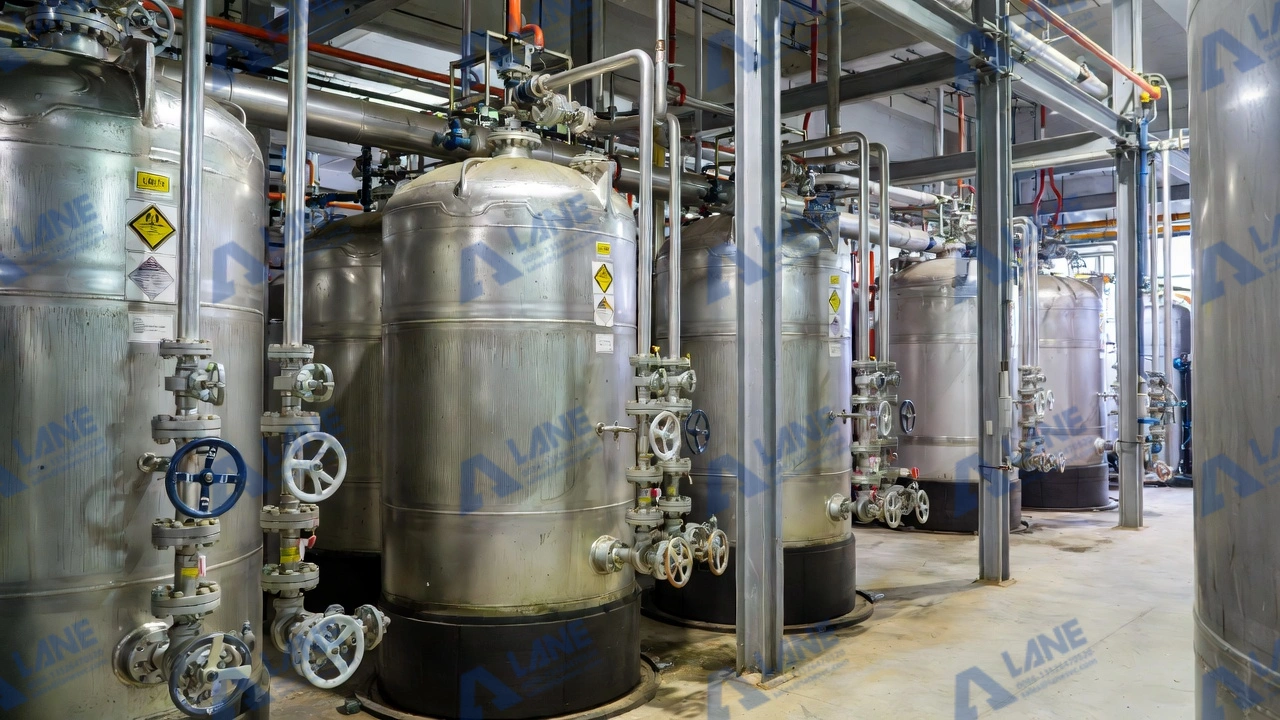
- Acidulation reactor
- Curing system or curing conveyor
- Crusher and screening machine
- Granulator (for granular SSP)
- Dust collection and environmental protection systems
- Automatic packaging machine
Choosing industrial-grade, corrosion-resistant equipment is crucial. Investors researching how to start an SSP fertilizer factory should always prioritize equipment durability, automation level, and after-sales support.
Plant Layout and Capacity Planning
Another overlooked aspect of how to start an SSP fertilizer factory is rational plant layout design.
Key considerations include:
- Raw material storage distance
- Acid handling safety zones
- Smooth material flow
- Space for future capacity expansion
SSP plants typically range from:
- 20,000–50,000 tons/year (small scale)
- 50,000–100,000 tons/year (medium scale)
- 100,000+ tons/year (industrial scale)
Selecting the right capacity is a strategic decision when determining how to start an SSP fertilizer factory with manageable investment risk.
Investment Cost Breakdown
A major concern for investors is the total cost involved in how to start an SSP fertilizer factory.
Main cost components:
- Equipment procurement
- Civil construction and infrastructure
- Installation and commissioning
- Utilities and environmental systems
- Labor and working capital
Indicative investment ranges:
- Small-scale plant: USD 200,000–400,000
- Medium-scale plant: USD 400,000–800,000
- Large-scale plant: USD 1 million and above
Costs vary depending on automation level, material handling method, and environmental compliance requirements. Accurate budgeting is essential when evaluating how to start an SSP fertilizer plant sustainably.
Operating Cost and Profit Analysis
Once operational, profitability depends on raw material cost, energy consumption, and market price.
Key operating expenses include:
- Phosphate rock procurement
- Sulfuric acid consumption
- Electricity and fuel
- Labor and maintenance
In many regions, SSP fertilizer offers:
- Stable demand
- Moderate profit margins
- Fast capital recovery (often within 1.5–3 years)
A realistic financial model is a critical part of deciding how to start an SSP fertilizer plant with long-term profitability.
Environmental and Safety Considerations
Environmental compliance is no longer optional when learning how to start an SSP fertilizer plant.
Important measures include:
- Acid mist and dust collection
- Wastewater neutralization
- Safe sulfuric acid storage and handling
- Worker safety training
Plants that integrate environmental protection systems from the beginning face fewer regulatory risks and enjoy smoother long-term operation.

Why Choose LANE for Your SSP Fertilizer Plant
When deciding how to start an SSP fertilizer factory, choosing the right equipment and solution provider is just as important as technical planning.
LANE (Henan LANE Heavy Industry Machinery Technology Co., Ltd.) is a professional fertilizer equipment manufacturer specializing in complete SSP fertilizer plant solutions. With ISO-certified manufacturing standards and extensive international project experience, LANE provides:
- Customized SSP plant design
- Reliable industrial-grade equipment
- Installation, commissioning, and operator training
- Long-term technical and after-sales support
For investors seeking a turnkey and risk-controlled approach to how to start an SSP fertilizer plant, LANE offers proven solutions tailored to different capacities and regional requirements.

FAQ: How to Start an SSP Fertilizer Plant
Q1: How long does it take to build an SSP fertilizer plant?
Most SSP fertilizer plants can be completed within 3–6 months, depending on plant size and local construction conditions.
Q2: Is SSP fertilizer still profitable today?
Yes. In many agricultural regions, SSP remains a cost-effective phosphorus source, making how to start an SSP fertilizer factory a viable investment option.
Q3: Do I need granulation for SSP fertilizer?
Granulation is optional. Powder SSP has lower investment cost, while granular SSP offers better market acceptance.
Q4: What capacity is recommended for beginners?
For first-time investors exploring how to start an SSP fertilizer factory, a 20,000–50,000 tons/year plant is often recommended.
Q5: Can SSP plants be upgraded in the future?
Yes. A well-designed plant layout allows future expansion, which is an important factor when planning how to start an SSP fertilizer factory strategically.
Conclusion
Learning how to start an SSP fertilizer plant is not just about equipment or chemistry—it is about combining market understanding, technical planning, cost control, and reliable partners. With proper preparation and the right supplier, SSP fertilizer production can become a stable and scalable business in today’s agricultural economy.
For more details, please feel free to contact us.
Henan Lane Heavy Industry Machinery Technology Co., Ltd.
Email: sales@lanesvc.com
Contact number: +86 13526470520
Whatsapp: +86 13526470520