Difference Between SSP and TSP: Which Phosphate Fertilizer Is Better for Your Crops?
- 2025-12-25
Phosphorus is one of the three essential macronutrients required for healthy crop growth. It plays a key role in root development, energy transfer, flowering, and yield formation. Among phosphate fertilizers, Single Super Phosphate (SSP) and Triple Super Phosphate (TSP) are two of the most widely used options worldwide.
For farmers, agronomists, and fertilizer producers alike, understanding the difference between SSP and TSP is critical for making the right agronomic and economic decision. Although both supply phosphorus, they differ significantly in composition, production process, nutrient availability, and application scenarios.
This article explains the difference between SSP and TSP in a clear, practical way and helps you determine which phosphate fertilizer is better for your crops and soil conditions.
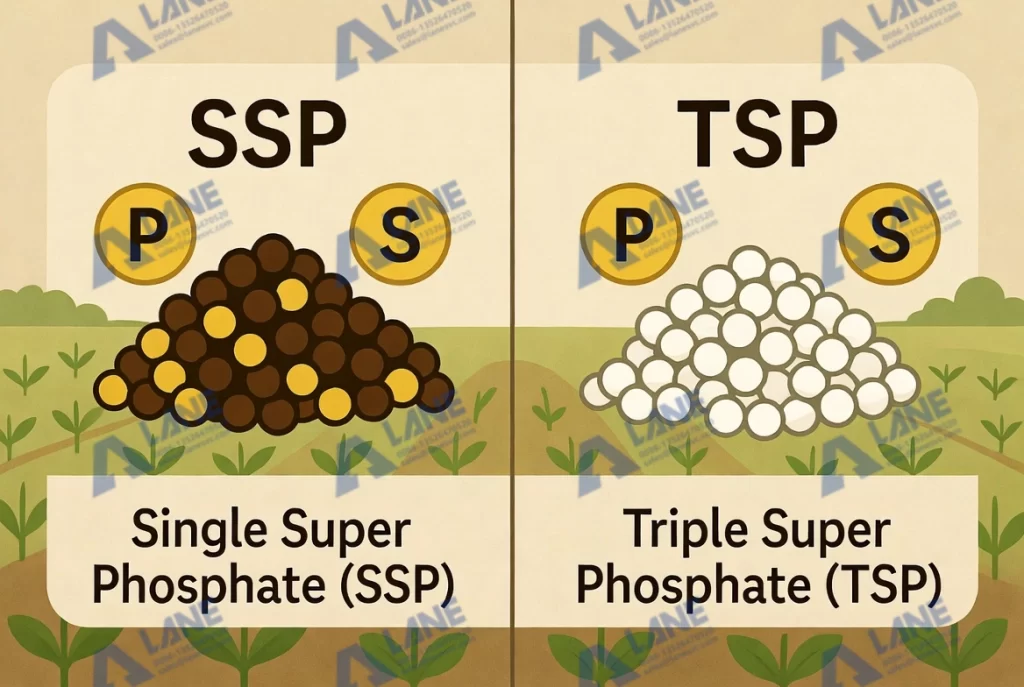
What Is SSP (Single Super Phosphate)?
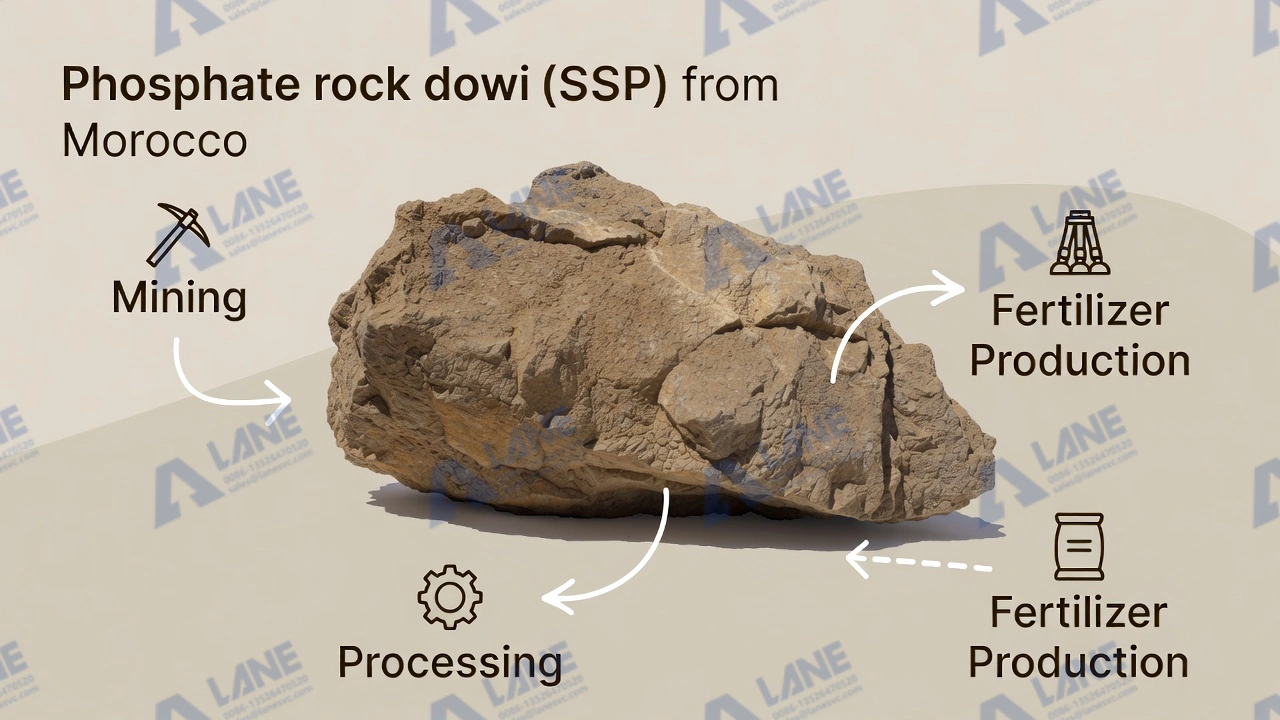
Single Super Phosphate, commonly known as SSP, is one of the oldest and most widely used phosphate fertilizers. It is produced by reacting phosphate rock with sulfuric acid, resulting in a fertilizer that contains both phosphorus and sulfur.
Typical nutrient composition of SSP:
- P₂O₅: 16–20%
- Sulfur (S): 10–12%
- Calcium: present as calcium sulfate (gypsum)
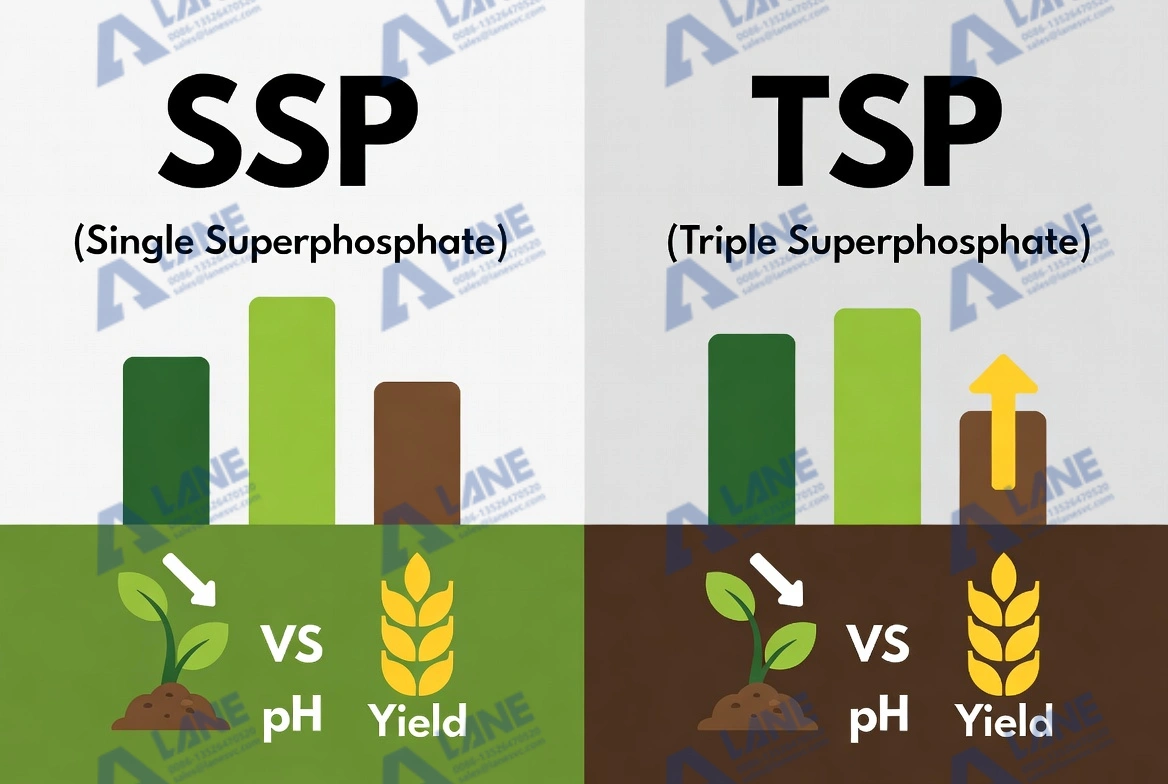
One important aspect of the difference between SSP and TSP is that SSP is not a high-analysis fertilizer, but it offers secondary nutrients that many soils lack, especially sulfur-deficient soils.
SSP is commonly used in:
- Acidic or neutral soils
- Sulfur-deficient regions
- Crops like oilseeds, pulses, and legumes
What Is TSP (Triple Super Phosphate)?
Triple Super Phosphate (TSP) is a more concentrated phosphate fertilizer. It is manufactured by treating phosphate rock with phosphoric acid rather than sulfuric acid.
Typical nutrient composition of TSP:
- P₂O₅: 44–46%
- Minimal sulfur content
- Higher phosphorus concentration per unit weight
A major difference between SSP and TSP lies in nutrient density. TSP delivers more than double the phosphorus content of SSP, making it suitable for intensive agriculture where high phosphorus demand must be met efficiently.
TSP is widely used in:
- Phosphorus-deficient soils
- High-yield commercial farming
- Fertilizer blends and compound fertilizers
Key Difference Between SSP and TSP in Nutrient Composition
The most obvious difference between SSP and TSP is their nutrient profile.
| Parameter | SSP | TSP |
|---|---|---|
| P₂O₅ content | 16–20% | 44–46% |
| Sulfur | High | Very low |
| Application rate | Higher | Lower |
| Nutrient concentration | Low | High |
Because SSP contains sulfur, it acts as both a phosphorus and secondary nutrient source. TSP, on the other hand, is a pure phosphorus fertilizer, often combined with other nutrients in blended formulations.
Difference Between SSP and TSP in Production Process
Another important difference between SSP and TSP is how they are manufactured.
- SSP production uses sulfuric acid, resulting in gypsum as a by-product.
- TSP production uses phosphoric acid, producing a more concentrated fertilizer with fewer by-products.
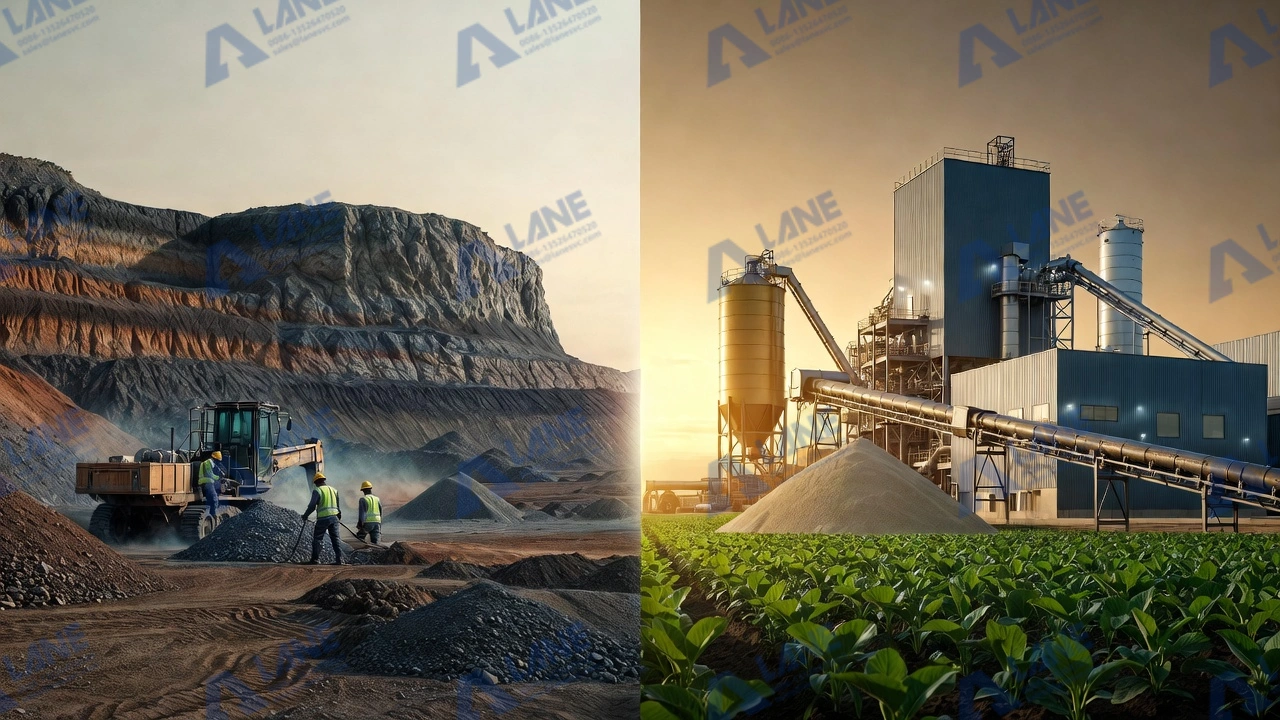
From a manufacturing perspective, SSP plants are generally simpler and require lower investment, while TSP production lines are more capital-intensive but produce higher-value output. This difference influences fertilizer pricing and availability in different regions.
Agronomic Difference Between SSP and TSP
From a crop nutrition standpoint, the Difference Between SSP Fertilizer and TSP Fertilizer becomes clear when soil conditions and crop requirements are considered.
SSP is often preferred when:
- Soils are sulfur-deficient
- Gradual phosphorus release is beneficial
- Input cost sensitivity is high
TSP is more suitable when:
- High phosphorus demand exists
- Precision fertilization is required
- Transportation and storage efficiency matter
In practice, SSP is widely used by small and medium farmers, while TSP is common in large-scale, high-input farming systems.
Economic Difference Between SSP and TSP
Although TSP is more expensive per ton, the Difference Between SSP Fertilizer and TSP Fertilizer in cost per unit of phosphorus is not always significant. Because TSP contains much higher P₂O₅, lower application rates are required.
However, SSP can be more cost-effective in regions where:
- Sulfur fertilization would otherwise be needed
- SSP is locally produced
- Subsidies favor low-analysis fertilizers
Therefore, the “better” option depends on total nutrient economics, not just fertilizer price.
Which Phosphate Fertilizer Is Better for Your Crops?
There is no universal answer. The difference between SSP and TSP means each serves a different purpose.
Choose SSP if:
- Your soil lacks sulfur
- You want a balanced, low-intensity fertilizer
- Cost and availability are key concerns
Choose TSP if:
- Your crops require high phosphorus input
- You are producing compound or blended fertilizers
- You need efficient transport and storage
The best decision is always based on soil testing, crop type, yield targets, and fertilizer strategy.
LANE Perspective: Supporting SSP and TSP Fertilizer Production
From a fertilizer manufacturing standpoint, understanding the Difference Between SSP Fertilizer and TSP Fertilizer is essential for selecting the right production equipment and plant configuration.
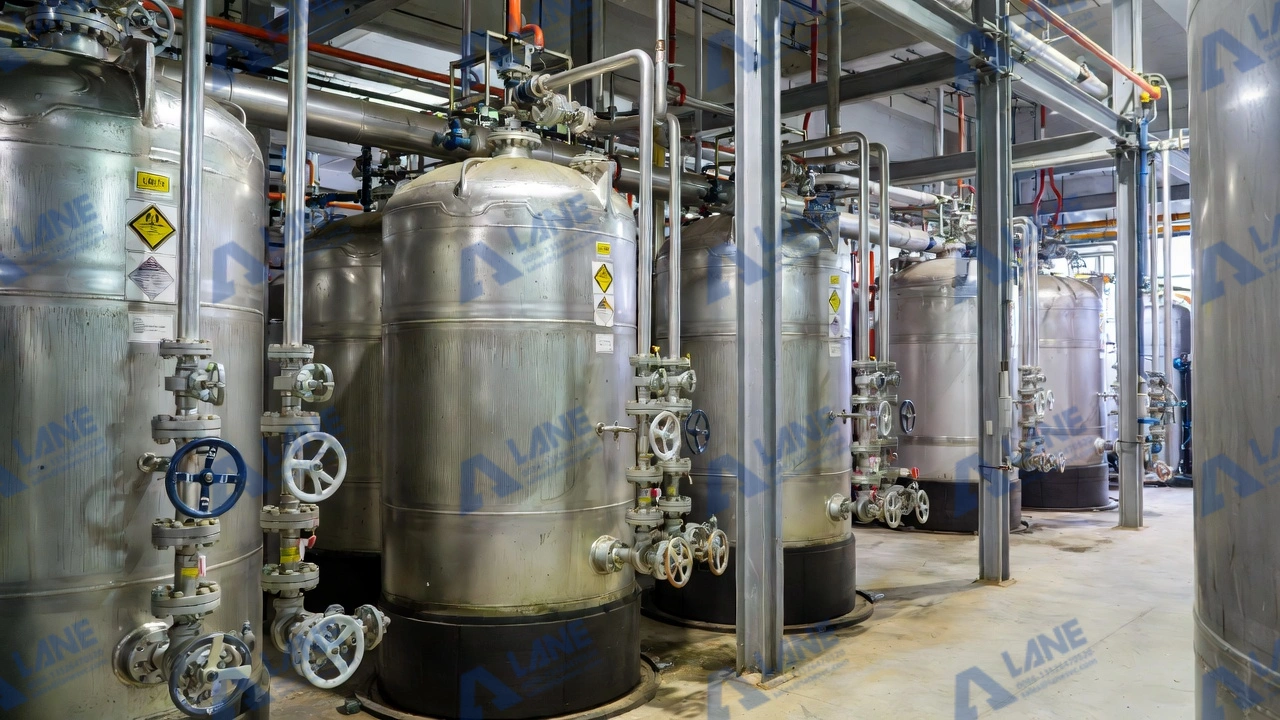
LANE (Henan LANE Heavy Industry Machinery Technology Co., Ltd.) has extensive experience in providing complete solutions for both SSP and TSP fertilizer production lines. Depending on raw material availability, investment scale, and target market, LANE supports clients with customized system design, granulation solutions, drying and cooling systems, and automated packaging equipment.
By aligning fertilizer formulation goals with efficient production technology, manufacturers can respond more effectively to market demand for SSP, TSP, or blended phosphate fertilizers.

Frequently Asked Questions (FAQ)
1. What is the main Difference Between SSP Fertilizer and TSP Fertilizer?
The main difference SSP and TSP is phosphorus concentration. SSP contains about 16–20% P₂O₅ with sulfur, while TSP contains 44–46% P₂O₅ with minimal sulfur.
2. Is SSP better than TSP for all crops?
No. The Difference Between SSP Fertilizer and TSP Fertilizer means each suits different soil and crop conditions. SSP is better for sulfur-deficient soils, while TSP is ideal for high phosphorus demand.
3. Why does TSP not contain sulfur?
The difference between SSP and TSP in sulfur content comes from their production processes. SSP uses sulfuric acid, while TSP uses phosphoric acid.
4. Can SSP and TSP be used together?
Yes. Many fertilizer programs combine SSP and TSP to balance phosphorus concentration and sulfur supply, depending on crop requirements.
5. Which is more economical, SSP or TSP?
Economics depend on application rate and nutrient needs. The difference between SSP and TSP means TSP is more concentrated, but SSP may reduce the need for separate sulfur fertilizers.
Final Thoughts
Understanding the difference between SSP and TSP is not just a technical exercise—it directly affects crop performance, fertilizer efficiency, and production strategy. Both fertilizers have their place in modern agriculture, and neither is inherently “better” without context.
By matching fertilizer choice with soil conditions, crop demand, and production goals, growers and manufacturers can achieve more sustainable and profitable results.
For more details, please feel free to contact us.
Henan Lane Heavy Industry Machinery Technology Co., Ltd.
Email: sales@lanesvc.com
Contact number: +86 13526470520
Whatsapp: +86 13526470520