How to Choose the Best SSP Granulation Technology for High-Efficiency Single Super Phosphate Production
- 2025-12-31
Choosing the best SSP granulation technology is one of the most critical decisions when planning or upgrading a Single Super Phosphate (SSP) fertilizer plant. While SSP itself is a well-established phosphate fertilizer, production efficiency, granule quality, and operating stability depend heavily on the granulation system you select.
In practice, many SSP projects struggle not because of raw materials or market demand, but because the granulation technology does not match the production scale, climate conditions, or long-term operating goals. This article explains how SSP granulation works, compares mainstream technologies, and outlines key selection criteria to help manufacturers make informed, cost-effective decisions.
Understanding the SSP Granulation Process
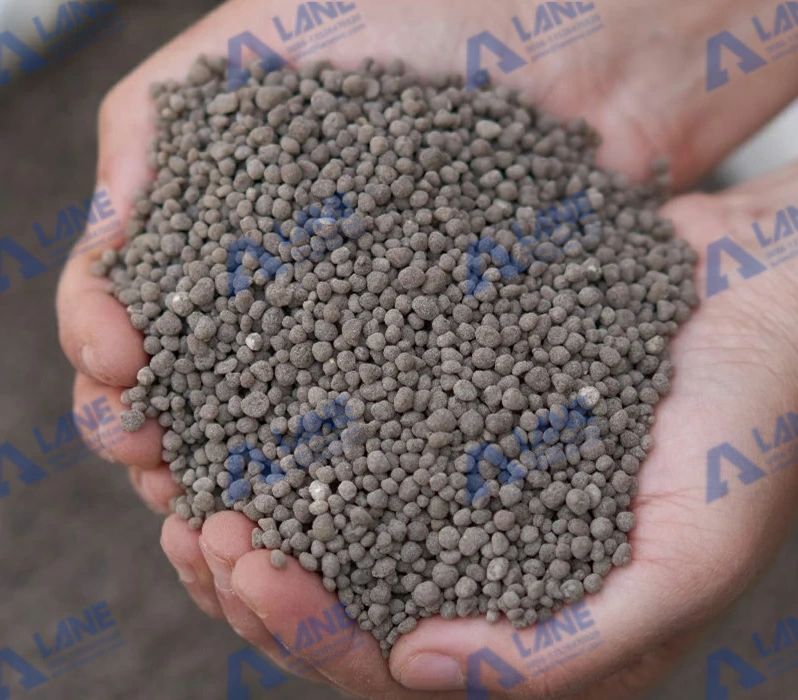
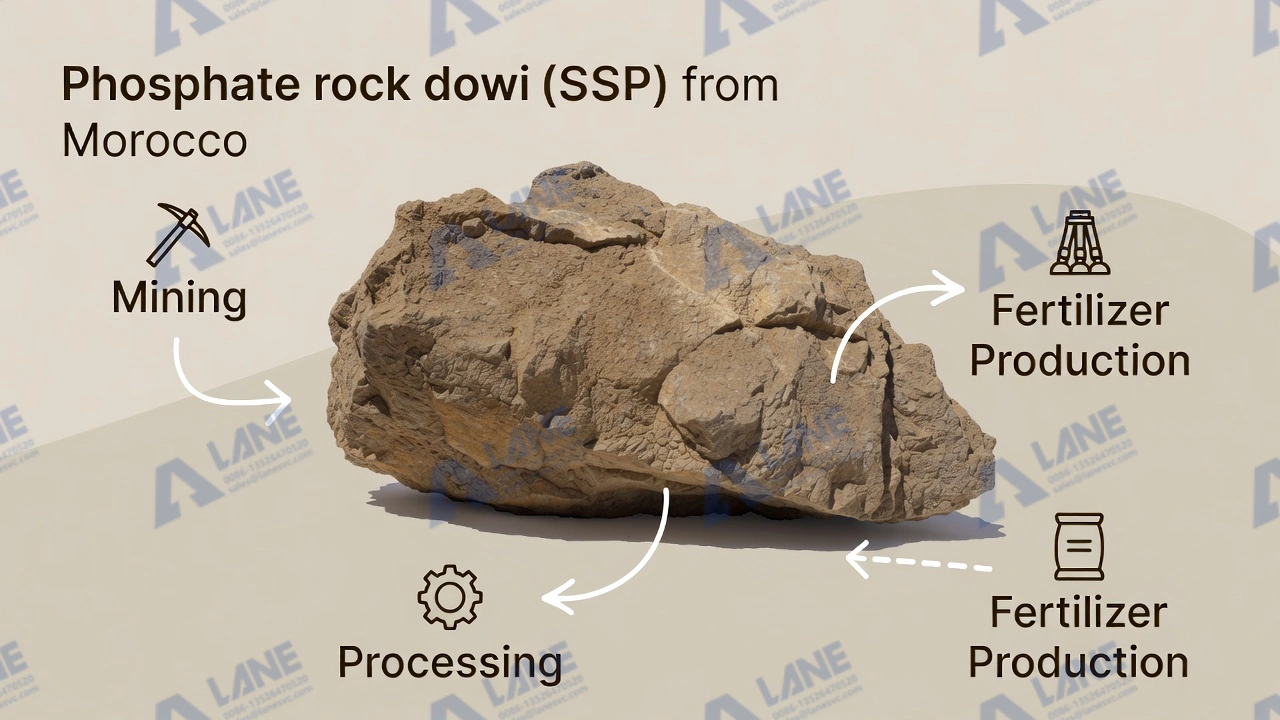
Single Super Phosphate is produced by reacting phosphate rock with sulfuric acid, followed by curing and granulation. The granulation stage transforms powdery or semi-finished SSP material into uniform granules that are easier to store, transport, and apply in the field.
A typical SSP granulation process includes:
- Metered feeding of cured SSP material
- Moisture adjustment using water or recycled slurry
- Granule formation through mechanical rolling or agglomeration
- Drying, cooling, screening, and recycling of undersized particles
The role of granulation technology is not only to shape the product, but also to ensure consistent particle size, stable strength, and minimal dust generation. This is where choosing the best SSP granulation technology becomes decisive.
Main Types of SSP Granulation Technology
There is no universal solution for all SSP plants. In reality, the “best” technology depends on production capacity, raw material properties, and operational priorities. The most commonly used granulation systems include the following.
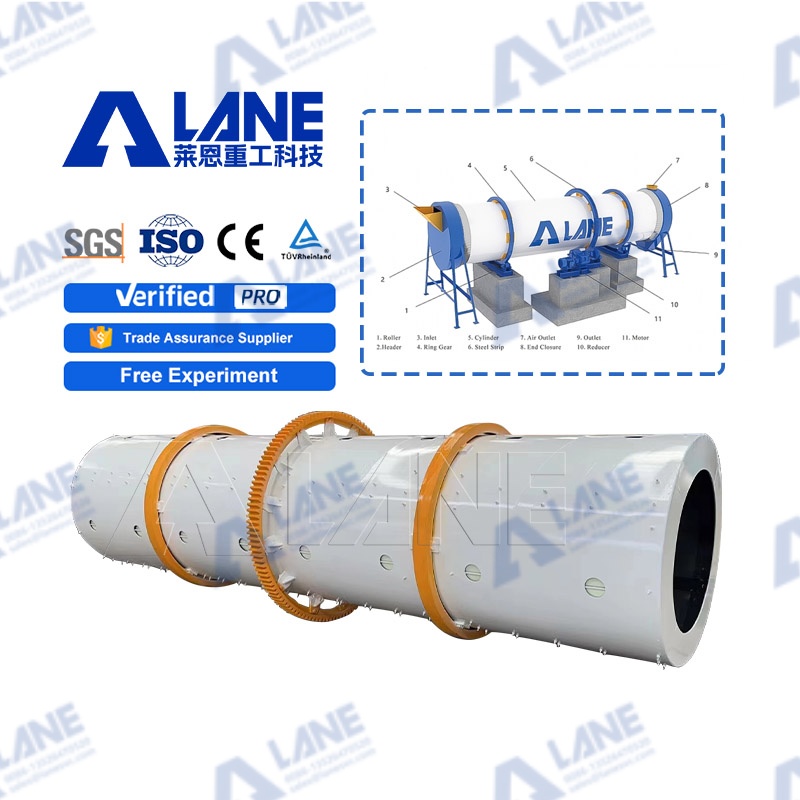
Rotary drum granulators are widely used in medium- and large-scale SSP production lines. Material is continuously rolled inside a rotating cylinder, allowing granules to grow layer by layer.
Key characteristics:
High output capacity (commonly 10–30 T/H or more)
Strong adaptability to recycled material
Stable operation for continuous production
This technology is often considered the best SSP granulation technology for industrial-scale fertilizer plants where long-term stability and automation are priorities.
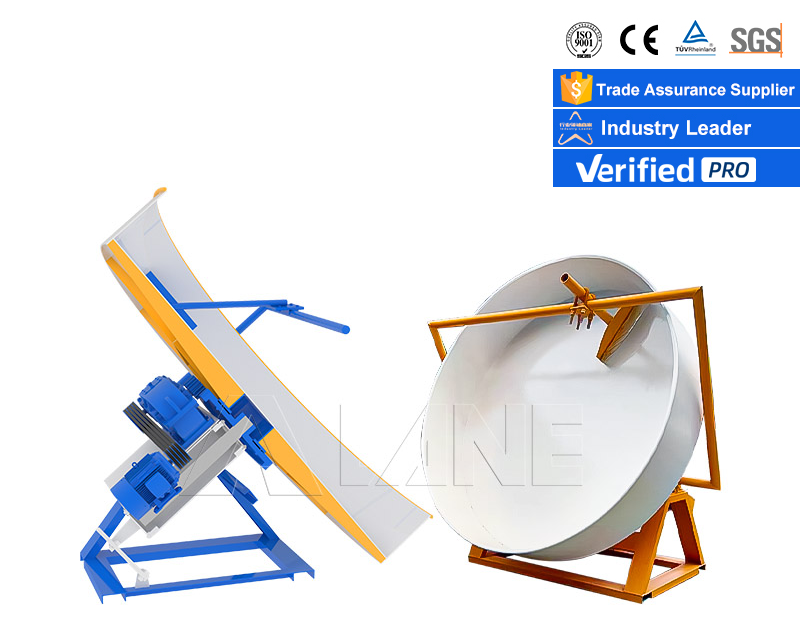
Disc granulators rely on a tilted rotating pan to form granules through rolling and spraying.
Key characteristics:
Simple structure and lower initial investment
Easier visual control of granule size
Better suited for small or pilot-scale SSP projects
While pan granulation offers flexibility, it is generally less efficient for high-capacity SSP lines and more sensitive to operator skill.
Combined or Customized Systems
Some modern SSP plants adopt hybrid solutions, such as drum granulation combined with pre-mixing or conditioning equipment. These systems aim to improve granule strength and reduce return fines.
For investors targeting long-term performance, customized solutions often outperform standard configurations.
Key Factors When Choosing the Best SSP Granulation Technology
Instead of focusing solely on equipment price, experienced manufacturers evaluate granulation technology from multiple dimensions.
1. Production Capacity and Expansion Potential
Your current target output matters, but future expansion matters even more. A system operating near its maximum capacity from day one may limit growth later. Rotary drum systems generally offer more room for scale-up.
2. Raw Material Characteristics
SSP raw material moisture, particle size, and chemical reactivity directly influence granulation behavior. Some materials granulate easily, while others require stronger rolling action or precise moisture control.
Matching granulation technology to raw material behavior is essential for stable operation.
3. Granule Quality Requirements
Market standards often specify granule size distribution, strength, and dust content. If your target market demands uniform, high-strength granules, more advanced granulation systems are usually required.
4. Energy Consumption and Operating Cost
The best SSP granulation technology is not necessarily the most complex one. Energy efficiency, maintenance frequency, and spare parts availability all affect long-term profitability.
5. Automation and Process Control
Modern SSP plants increasingly rely on automated feeding, moisture control, and recycling systems. Advanced granulation technology integrates more easily with PLC control and intelligent monitoring.
Why Technology Selection Impacts Long-Term Profitability
Many SSP producers initially focus on equipment cost, only to discover later that inconsistent granulation leads to high recycle ratios, excessive dust, and frequent downtime. Over time, these issues increase labor costs, energy consumption, and product loss.
Choosing the best SSP granulation technology at the design stage reduces operational risks and ensures stable product quality over the entire lifecycle of the plant.
LANE’s Approach to SSP Granulation Technology
As a professional fertilizer equipment manufacturer, LANE Heavy Industry Machinery Technology Co., Ltd. approaches SSP granulation from a system engineering perspective rather than selling standalone machines.
LANE designs SSP granulation solutions based on:
Target capacity from 10,000 to over 200,000 tons per year
Raw material testing and process simulation
Optimized matching of granulator, dryer, cooler, and screening systems
Practical experience from global SSP and compound fertilizer projects
Instead of promoting a single model as the “best,” LANE focuses on identifying the best SSP granulation technology for each specific project. This customized approach helps clients achieve stable output, consistent granule quality, and lower long-term operating costs.
Common Mistakes to Avoid When Selecting SSP Granulation Technology
- Copying another plant’s configuration without analysis
- Ignoring local climate conditions affecting moisture control
- Underestimating the importance of return material recycling design
- Choosing low-cost equipment without after-sales technical support
Avoiding these mistakes often saves more money than negotiating a lower equipment price.
Frequently Asked Questions (FAQ)
Q1: What is considered the best SSP granulation technology for large-scale plants?
For most industrial SSP plants with high output requirements, rotary drum granulation systems are considered the most reliable and scalable option.
Q2: Can pan granulation still be used for SSP production?
Yes, pan granulators are suitable for small-scale or experimental SSP production, but they may struggle with stability and capacity in large continuous operations.
Q3: How does moisture control affect SSP granulation quality?
Moisture directly influences granule formation and strength. Advanced granulation technology allows precise moisture adjustment, reducing fines and improving yield.
Q4: Is customized granulation technology worth the investment?
In most cases, yes. Customized solutions reduce operational risks and improve long-term efficiency, especially when raw material properties are complex.
Q5: How long does it take to commission an SSP granulation line?
Depending on plant size and automation level, commissioning typically takes several weeks, including installation, testing, and operator training.
Final Thoughts
Choosing the best SSP granulation technology is not about following trends or minimizing upfront costs. It is about aligning production goals, raw material characteristics, and long-term operational strategy. A well-matched granulation system ensures consistent product quality, stable operation, and sustainable profitability.
For SSP producers aiming to compete in modern fertilizer markets, investing time in technology selection is just as important as investing in equipment itself.
For more details, please feel free to contact us.
Henan Lane Heavy Industry Machinery Technology Co., Ltd.
Email: sales@lanesvc.com
Contact number: +86 13526470520
Whatsapp: +86 13526470520